Your home is more than just a structure; it is the backdrop for your family’s most cherished memories. From a toddler’s first steps to holiday gatherings with grandparents, your living space needs to adapt to the changing rhythms of life. However, standard home designs often overlook the diverse needs of a multi-generational household. Narrow doorways, steep thresholds, and slippery surfaces can turn everyday tasks into obstacles.
Accessible remodeling—often referred to as Universal Design—isn’t just about addressing disabilities or aging. It is about creating a safer, more comfortable environment for everyone, regardless of age or ability. Whether you are navigating a stroller through the hallway, recovering from a sports injury, or welcoming an aging parent into your home, accessible design ensures your house works for you, not against you. By integrating thoughtful modifications now, you are investing in a home that will serve your family for decades to come.
Key Takeaways
- Universal Utility: Accessible design features, such as curbless showers and lever handles, make daily life easier for children, parents, and seniors alike.
- Safety First: The bathroom is the most common place for household injuries; targeted remodeling here significantly reduces slip-and-fall risks.
- Long-Term Value: “Future-proofing” your home with accessible features increases its functionality and market appeal for multi-generational buyers.
Understanding Universal Design
The core philosophy behind accessible remodeling is Universal Design. The goal is to make environments usable by as many people as possible without the need for specialized adaptation.
Think about the entrance to your home. A traditional design might feature steps leading up to the front door. While this is standard, it poses a challenge for a parent carrying groceries and a car seat, or a relative using a walker. A zero-step entry, on the other hand, is seamless. It welcomes the stroller, the wheelchair, and the heavy suitcase equally.
When you apply this thinking to the interior, you create a space that feels open and intuitive. Wider hallways (ideally 36 to 42 inches) prevent congestion and allow for easy maneuvering. Lever-style door handles are easier for a toddler to grip than round knobs, but they are also helpful for an adult with arthritis or someone whose hands are full of laundry.
The Hub of Safety: Accessible Bathroom Remodeling
The bathroom is often the most critical area for improvement in a family home. Standard bathrooms are notoriously hazardous due to slick surfaces and tight spaces. This is why accessible bathroom remodeling is frequently the first step homeowners take when upgrading for safety and longevity.
Curbless Showers
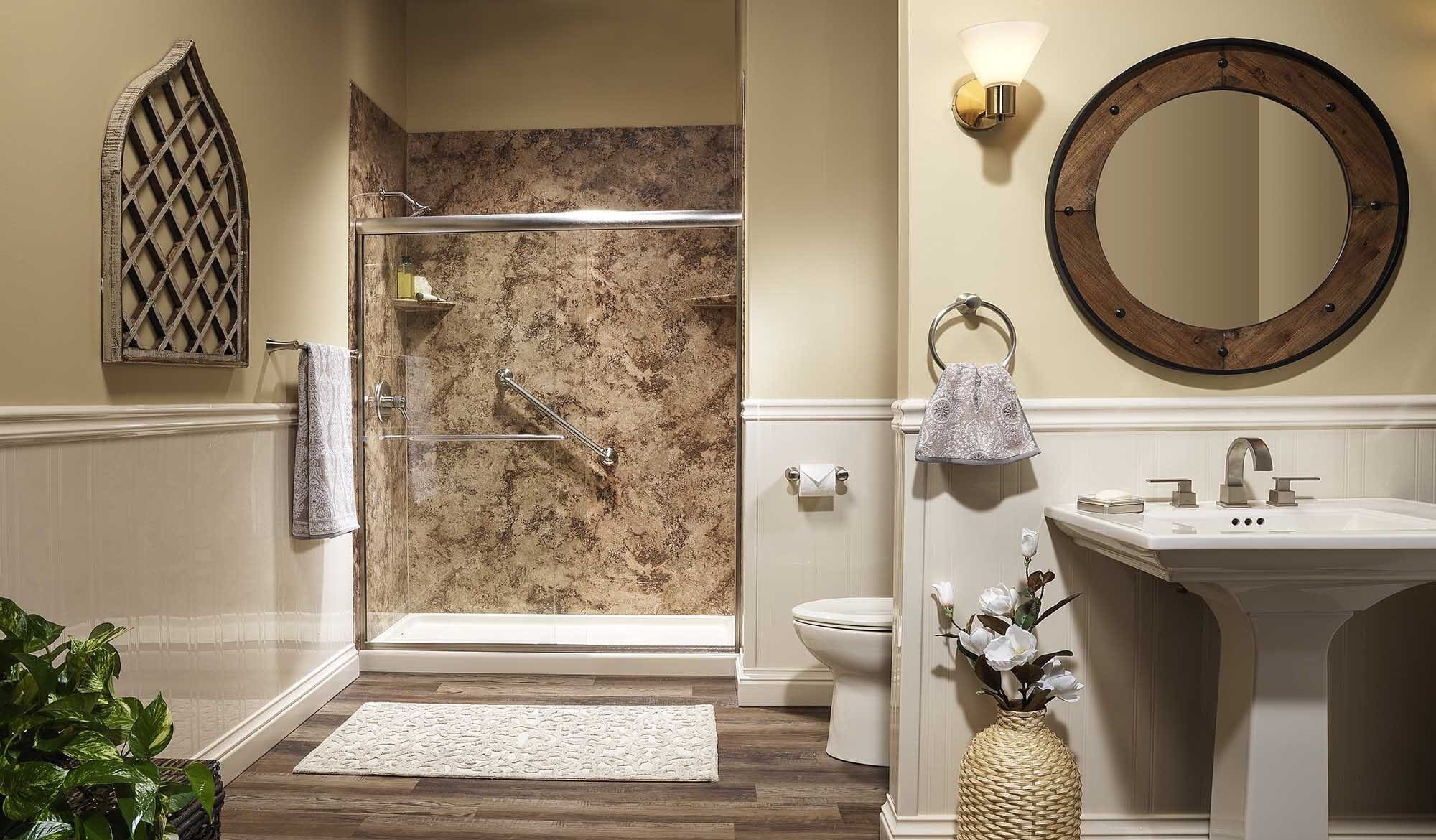
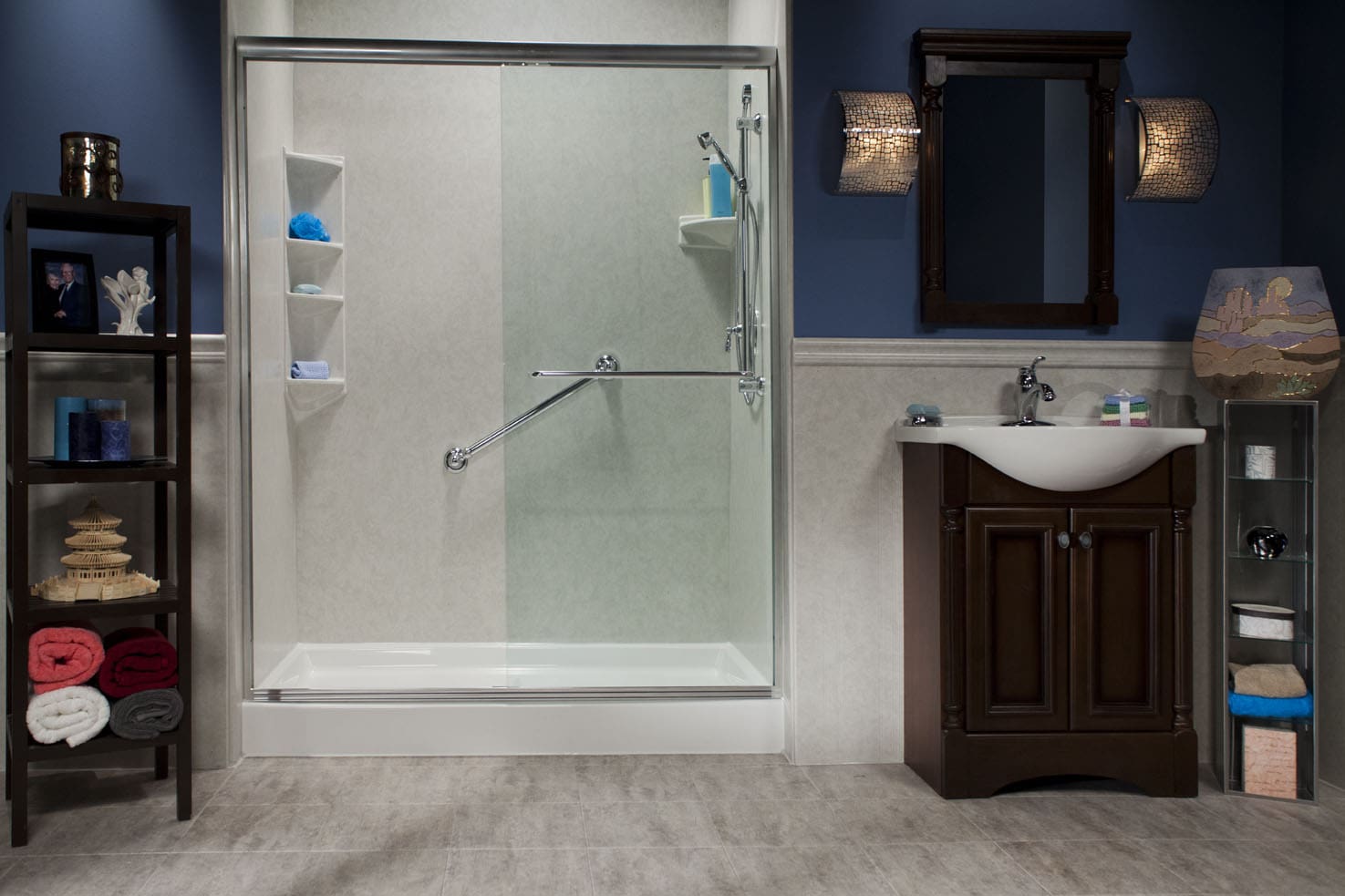
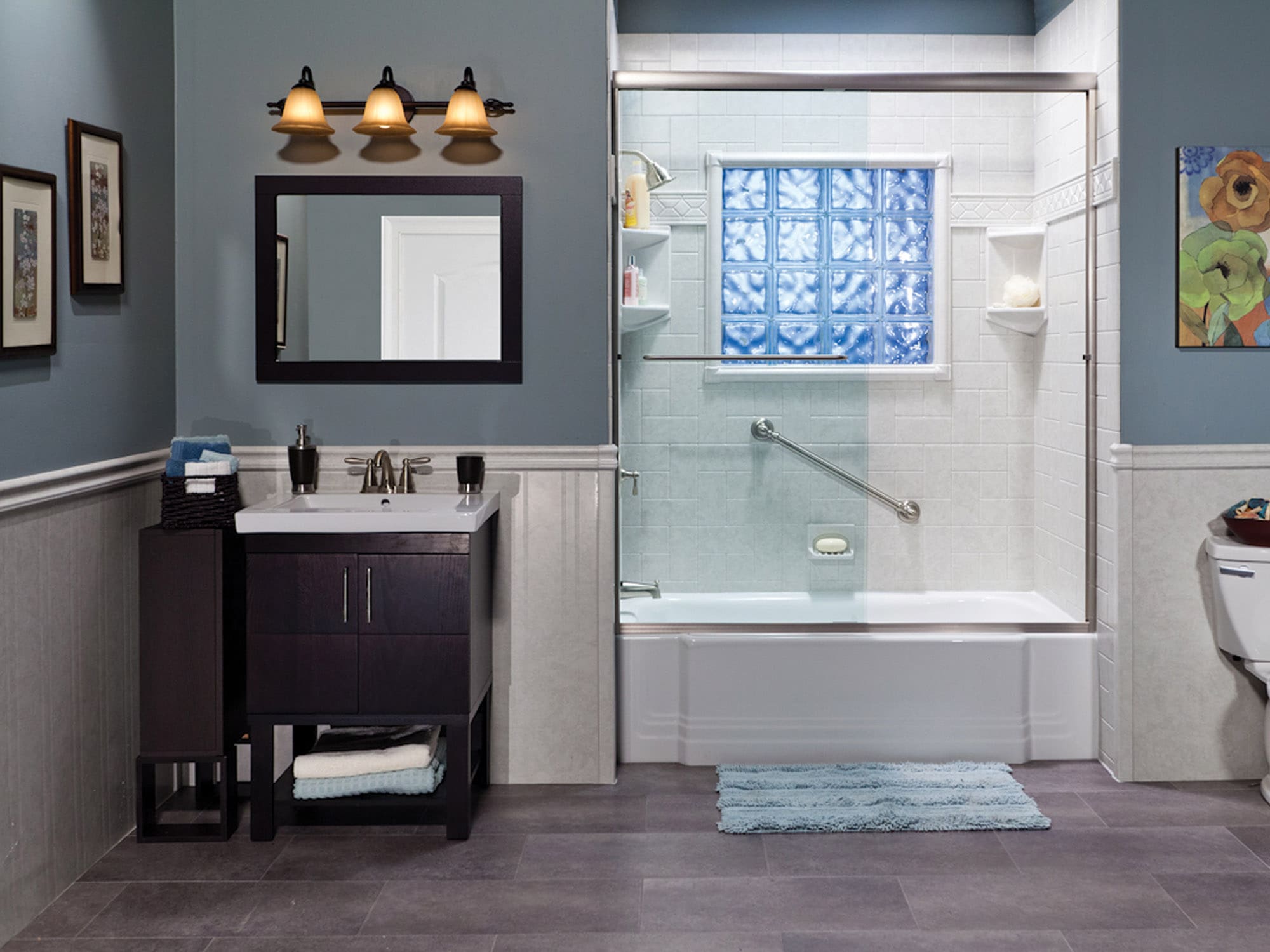
Traditional tub-shower combos require you to step over a high wall to enter. This is a tripping hazard for active children and a significant barrier for those with limited mobility. A curbless, or zero-threshold, shower removes this barrier entirely. The floor slopes gently toward the drain, allowing for easy access. It also creates a modern, spa-like aesthetic that opens up the visual space of the room.
Smart Vanity Design
Standard cabinets can be difficult to use. A floating vanity installed at a custom height can accommodate different users. Open space beneath the sink allows for a step stool for children or knee clearance for someone seated. Furthermore, installing faucets with sensors or single-lever handles prevents scalding and makes operation simple for small hands.
Reinforced Walls and Support
Even if you don’t need grab bars right now, it is wise to reinforce the walls during a remodel. This allows you to easily install support bars later without tearing out tile. Modern manufacturers also create “stealth” grab bars that double as towel racks or toilet paper holders, blending safety with style seamlessly.
Designing for the “Sandwich Generation”
Many modern homeowners find themselves in the “sandwich generation”—simultaneously raising young children and caring for aging parents. This dynamic requires a home that is flexible.
Consider the flooring. Hardwood and tile are beautiful, but they can be slippery and unforgiving. Textured tiles in high-traffic wet areas provide grip. Cork or luxury vinyl plank (LVP) flooring offers a softer landing surface and better acoustics, dampening the noise of running feet or dropped toys.
Lighting plays a massive role in accessibility as well. As we age, our eyes require more light to see clearly. However, harsh overhead lighting isn’t the answer. A layered lighting approach—using ambient, task, and accent lighting—ensures that countertops are bright enough for meal prep or medication management, while motion-sensor night lights guide little ones to the bathroom safely in the dark.
The Kitchen: The Heart of the Home
Accessible design in the kitchen focuses on reducing strain. Multi-level countertops can provide workspaces for people of different heights—a lower section for baking with kids or sitting down to chop vegetables, and a standard height section for standing tasks.
Pull-out shelves and drawers in lower cabinets bring items to you, eliminating the need to crouch and rummage through the back of a dark cupboard. Microwave drawers are safer than over-the-range units, as they prevent the need to lift hot, heavy dishes above shoulder level.
Finding the Right Partner for Your Project
Remodeling for accessibility requires a specific set of skills. It involves understanding ADA guidelines, knowledge of specialized products, and the ability to merge clinical functionality with residential beauty. You don’t want your home to look like a hospital; you want it to look like a high-end, custom residence.
This is where the right professional makes all the difference. If you are searching for a bathroom contractor Hartford CT residents recommend, look for experience in Universal Design. A qualified contractor will understand traffic flow, reinforcement requirements, and the nuances of plumbing relocation for curbless showers.
At Inaugural Home Improvement, we understand that every family is unique. We don’t just swap out fixtures; we analyze how you live. We look at the pinch points in your daily routine and propose solutions that solve problems you might not even realize you had.
Building a Home for a Lifetime
Investing in accessibility is an investment in your family’s future. It provides peace of mind knowing that your home is safe for your toddlers and your parents. It ensures that if you face an unexpected injury, your recovery won’t be hindered by your environment.
You shouldn’t have to move out of the neighborhood you love just because your home no longer fits your physical needs. By embracing accessible remodeling, you transform your house into a forever home—a place that grows, adapts, and endures alongside your family.
Whether you are ready to tackle a full renovation or want to start with a focused accessible bathroom remodeling project, the result is the same: a home that welcomes everyone.