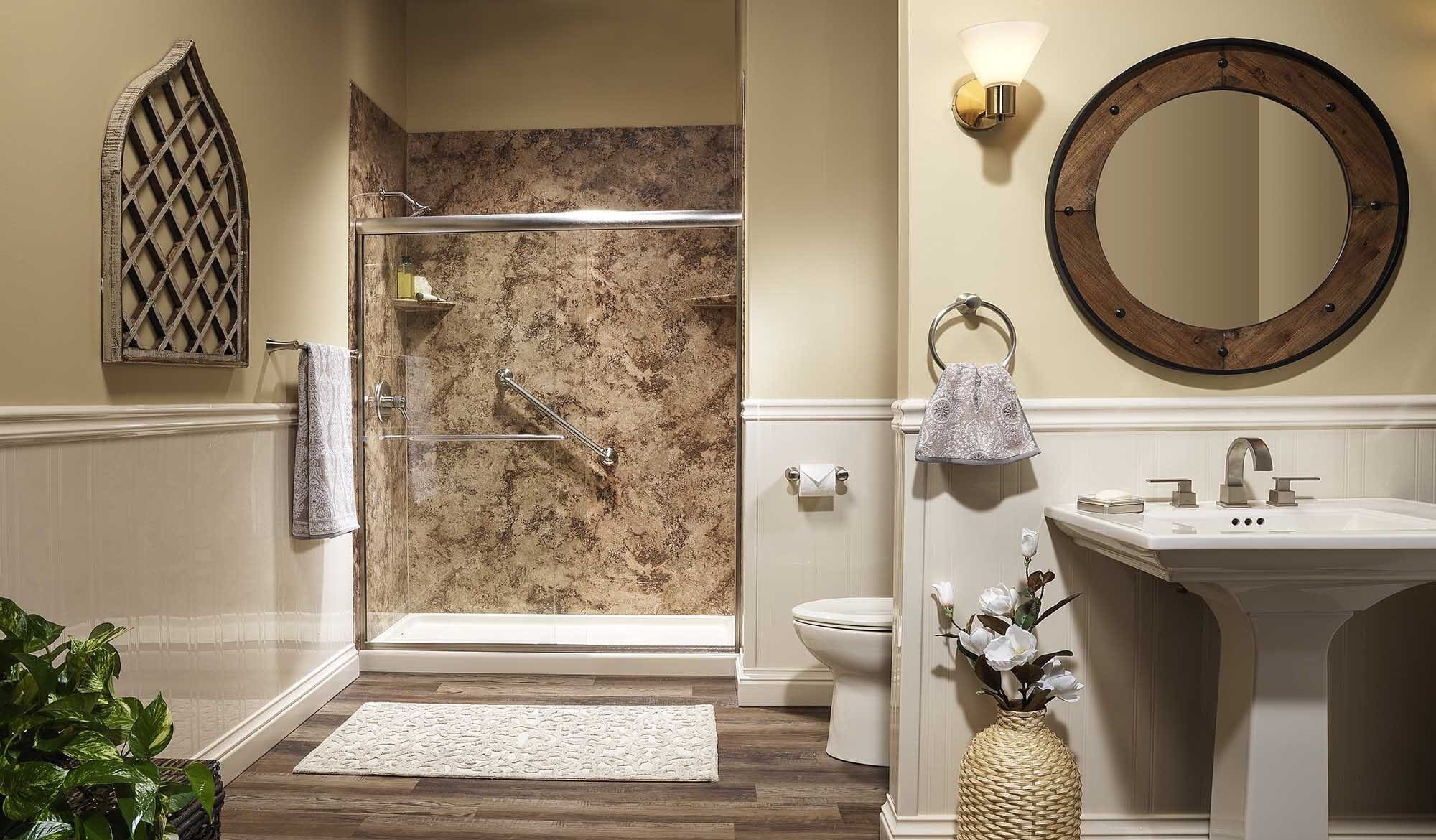
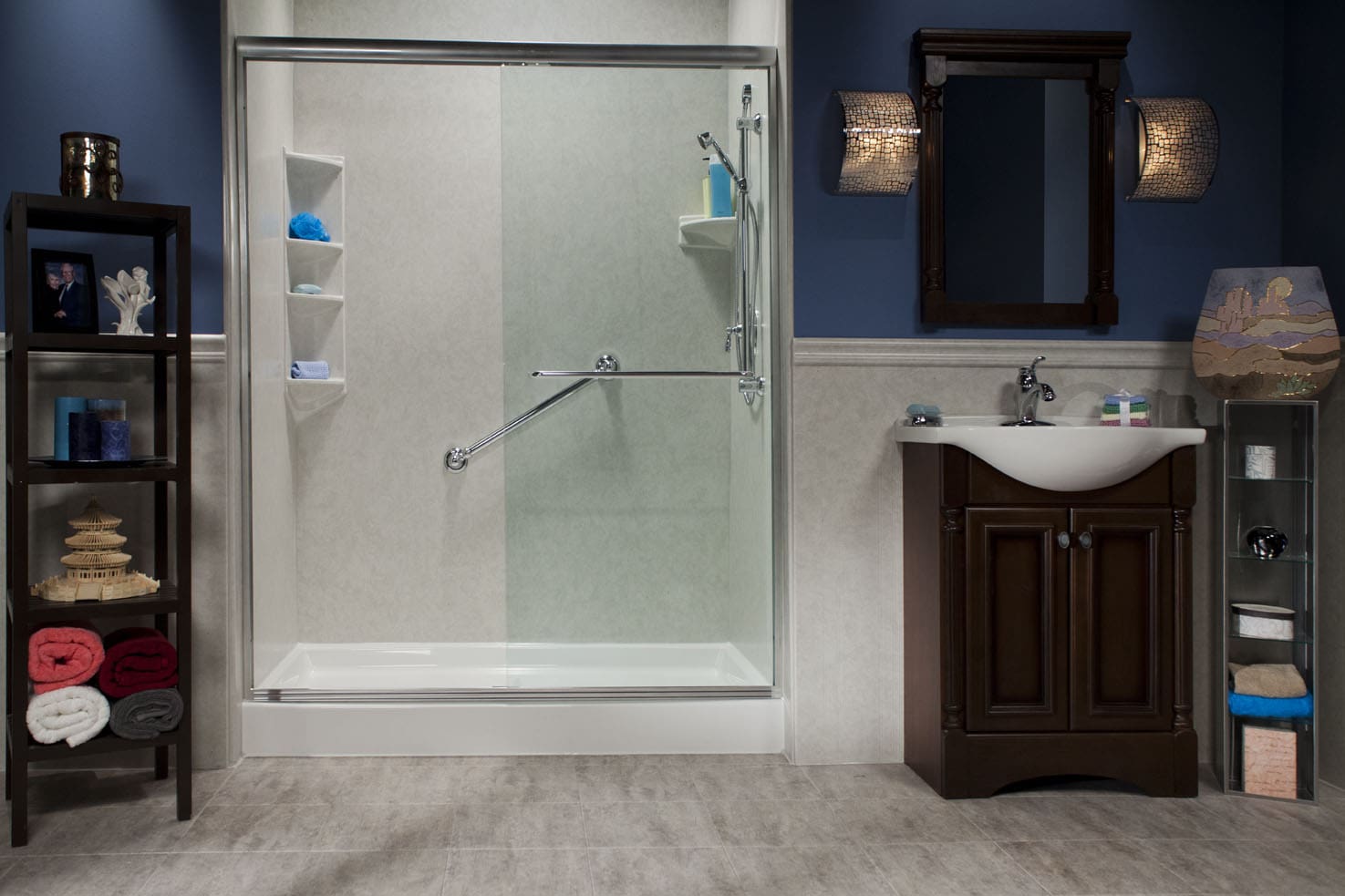
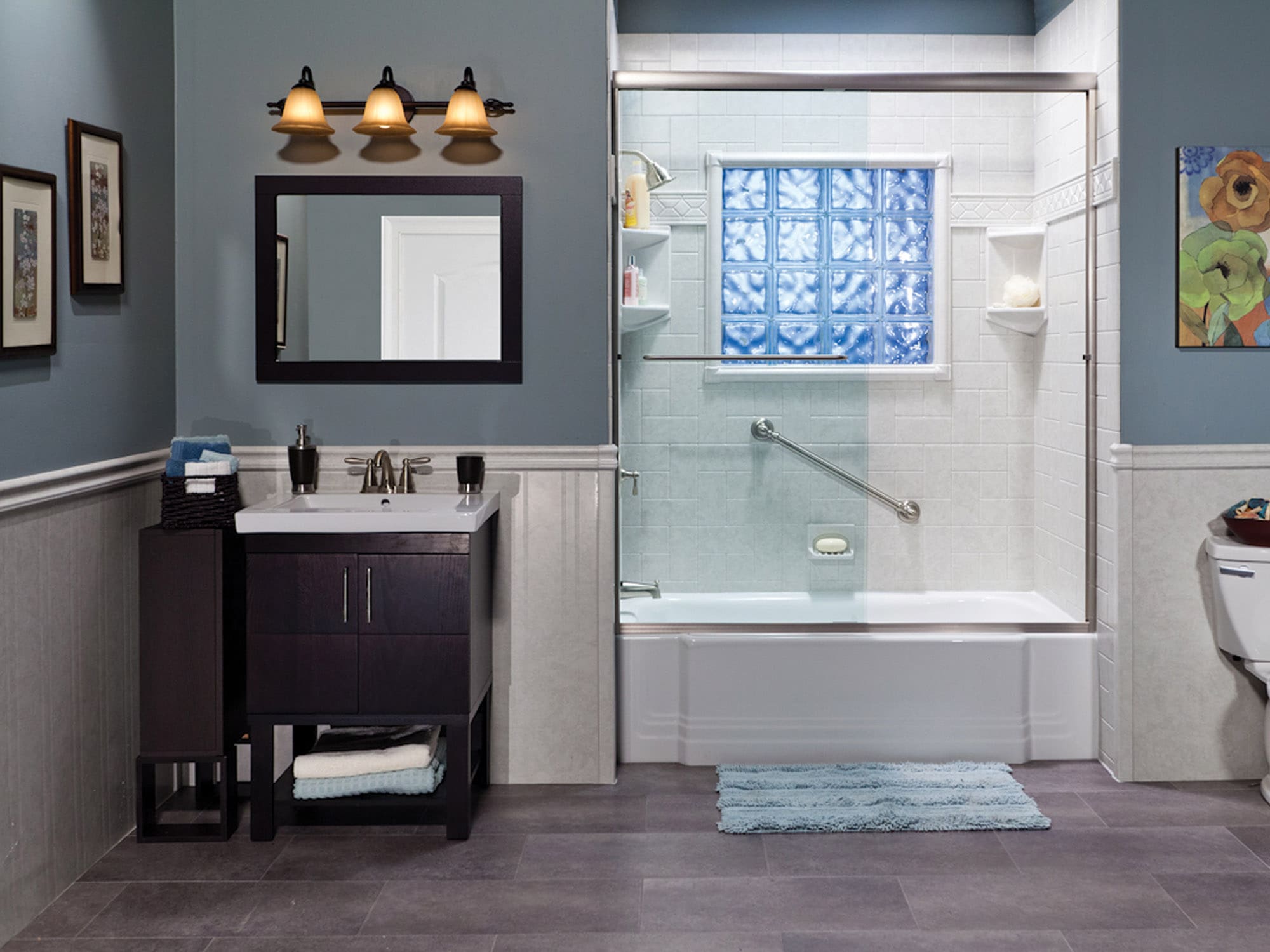
Bathtubs were once the standard in American homes, but as our population ages and accessibility needs grow, more homeowners are reconsidering their bathroom layouts. A shower conversion offers a practical solution for anyone struggling with the high step-over of a traditional tub—whether due to mobility challenges, age-related concerns, or simply a desire for safer, more convenient bathing.
If you or a loved one find it increasingly difficult to navigate a bathtub safely, you’re not alone. Falls in the bathroom account for a significant portion of home injuries among older adults. The good news? Converting your tub to a walk-in shower can dramatically reduce these risks while enhancing your home’s functionality and value.
This guide explores how a tub-to-shower conversion improves accessibility, what features to consider, and why partnering with an experienced bathroom remodeling contractor CT like Inaugural Home Improvement can make all the difference.
Key Takeaways
- Converting a bathtub to a walk-in shower eliminates high barriers, reducing fall risks and making bathing safer for people with mobility challenges or aging concerns.
- Accessible shower features like grab bars, non-slip flooring, and built-in seating provide independence and dignity for users while adding long-term value to your home.
- Working with a specialized bathroom remodeling contractor CT ensures your shower conversion meets safety standards, suits your needs, and integrates seamlessly with your existing space.
Understanding Accessibility Challenges in Traditional Bathtubs
Traditional bathtubs present several obstacles that can make daily bathing stressful or even dangerous for many individuals. The most obvious challenge is the high wall that must be climbed over to enter and exit the tub. For someone with limited mobility, balance issues, or joint pain, this simple action becomes a significant hurdle.
Wet surfaces compound the problem. Even with bath mats, bathtubs can be slippery, especially when combined with soap and shampoo. The confined space also makes it difficult to install adequate grab bars or other assistive devices in positions that truly help.
Beyond physical safety, there’s an emotional component. Many people value their independence and feel frustrated or embarrassed when they need assistance with basic tasks like bathing. A bathroom that doesn’t accommodate their needs can diminish their quality of life and confidence.
The Benefits of a Walk-In Shower for Accessibility
A walk-in shower transforms your bathroom into a space that prioritizes safety without sacrificing style. Here’s how this upgrade improves accessibility:
Lower Entry Threshold
Walk-in showers feature minimal or zero-threshold entry, meaning there’s no high barrier to step over. This design allows easy access for wheelchair users, walkers, or anyone who finds lifting their legs difficult. Even a low threshold of just a few inches makes a tremendous difference compared to a standard tub wall.
Spacious Interior Layout
Unlike cramped bathtubs, walk-in showers offer ample room to move around. This extra space accommodates shower chairs, allows caregivers to assist if needed, and reduces the claustrophobic feeling some people experience in tight spaces. You can also position handheld showerheads at comfortable heights for seated bathing.
Enhanced Safety Features
Modern shower conversions incorporate multiple safety elements that weren’t possible with traditional tubs. Non-slip flooring provides secure footing, even when wet. Strategically placed grab bars offer stability during entry, exit, and while bathing. Built-in seating allows users to shower comfortably without standing for extended periods.
Improved Independence
Perhaps most importantly, accessible showers restore dignity and independence. When bathing becomes easier and safer, users regain confidence in their ability to care for themselves. This psychological benefit shouldn’t be underestimated—maintaining independence contributes significantly to overall well-being and quality of life.
Essential Accessibility Features for Your Shower Conversion
Not all walk-in showers are created equal. To maximize accessibility, consider incorporating these features into your design:
Zero-Threshold or Low-Threshold Entry
A completely barrier-free entrance allows seamless wheelchair access. If structural limitations prevent a true zero-threshold design, opt for the lowest threshold possible—ideally no more than half an inch. Your bathroom remodeling contractor CT can assess your home’s structure and recommend the best approach.
Slip-Resistant Flooring
Choose flooring materials with textured surfaces that provide traction when wet. Porcelain tiles with matte finishes, textured stone, or specialized anti-slip coatings all work well. Avoid glossy tiles, which become dangerously slick with water and soap residue.
Grab Bars and Handrails
Install grab bars in multiple locations: near the entrance, along the walls, and next to any built-in seating. These should be professionally mounted into wall studs or backing boards to support a person’s full weight. Stainless steel or powder-coated options resist rust and complement various design aesthetics.
Built-In or Fold-Down Seating
A permanent bench or fold-down seat allows users to shower while seated, reducing fatigue and fall risk. Position seating at a comfortable height—typically 17 to 19 inches from the floor—and ensure it’s wide enough to accommodate users comfortably.
Handheld Showerhead with Slide Bar
A handheld showerhead mounted on an adjustable slide bar offers flexibility for users of different heights and abilities. This feature is particularly valuable for seated showering, allowing users to control water flow and direction easily.
Adequate Lighting
Bright, even lighting is crucial for safety. Consider installing waterproof LED fixtures that illuminate the entire shower area without creating harsh shadows. Motion-activated lighting can provide additional convenience and safety.
Easy-to-Use Controls
Single-lever faucets and thermostatic mixing valves are easier to operate than traditional two-handle systems. Thermostatic controls also prevent sudden temperature changes that could cause burns or startling movements that lead to falls.
How the Conversion Process Works
Understanding what to expect during a shower conversion helps you prepare and ensures a smoother renovation experience.
Initial Consultation and Assessment
Your bathroom remodeling contractor CT will visit your home to evaluate your current bathroom layout, discuss your accessibility needs, and review your design preferences. They’ll assess structural considerations like plumbing locations, floor support, and waterproofing requirements.
Design and Planning
Based on the assessment, your contractor will create a customized design that addresses your specific needs. This includes selecting materials, determining fixture placement, and finalizing accessibility features. You’ll review and approve the plan before work begins.
Demolition and Preparation
The existing tub and surrounding materials are carefully removed. Your contractor will inspect the subfloor and walls, repairing any water damage or structural issues discovered during demolition. Proper waterproofing is installed to prevent future moisture problems.
Installation
The new shower base, walls, fixtures, and accessories are installed according to the approved design. This phase includes plumbing work, tile or wall panel installation, and mounting safety features like grab bars and seating.
Finishing Touches
Final details like caulking, grout sealing, and fixture adjustments are completed. Your contractor will test all components to ensure proper function and water drainage.
Final Walkthrough
You’ll inspect the completed shower conversion with your contractor, who will demonstrate how to use and maintain your new accessible shower. Any concerns are addressed before the project is considered complete.
Most conversions take between three to five days, though timelines vary based on project complexity and the extent of customization required.
Choosing the Right Bathroom Remodeling Contractor in CT
The success of your shower conversion depends heavily on selecting an experienced, reputable contractor. Here’s what to look for:
Specialization in Accessibility Modifications
Not all contractors have experience with accessible bathroom design. Look for a bathroom remodeling contractor CT who specifically mentions aging-in-place modifications or ADA-compliant installations in their services.
Proper Licensing and Insurance
Verify that your contractor holds the necessary state licenses and carries both liability insurance and workers’ compensation coverage. This protects you from liability if accidents occur during the project.
Portfolio and References
Review photos of previous shower conversions to assess quality and style. Ask for references from past clients, particularly those who had accessibility-focused projects completed.
Transparent Pricing
A reputable contractor provides detailed, written estimates that break down costs for materials, labor, and any additional services. Be wary of quotes that seem unusually low, as they may indicate shortcuts or hidden fees.
Communication and Professionalism
Your contractor should listen carefully to your needs, answer questions thoroughly, and maintain clear communication throughout the project. Professionalism in initial interactions often reflects the quality of work you can expect.
Inaugural Home Improvement specializes in accessibility-focused bathroom renovations throughout Connecticut. With extensive experience in shower conversions and a commitment to quality craftsmanship, we help homeowners create safer, more functional bathrooms that support independent living.
Cost Considerations and Value
The cost of a tub-to-shower conversion varies based on several factors: the size of your bathroom, materials selected, complexity of plumbing modifications, and the extent of accessibility features included. Basic conversions typically start around $3,000 to $5,000, while more comprehensive projects with premium materials and extensive customization can range from $8,000 to $15,000 or more.
While this represents a significant investment, consider the long-term value. An accessible shower can prevent costly medical bills from fall-related injuries. It allows you or your loved ones to remain in your home longer, avoiding the substantial expenses of assisted living facilities. Additionally, accessible features often appeal to a broader range of buyers if you eventually sell your home.
Some homeowners may qualify for grants, tax credits, or low-interest loans specifically for accessibility modifications. Your contractor or local aging services agency can provide information about available assistance programs.
Maintaining Your New Accessible Shower
Proper maintenance ensures your shower conversion remains safe and functional for years to come:
- Clean regularly: Prevent soap scum and mildew buildup with weekly cleaning using non-abrasive products.
- Check grout and caulking: Inspect seals every few months and re-caulk as needed to prevent water infiltration.
- Test grab bars: Periodically verify that grab bars remain securely mounted and haven’t loosened over time.
- Address repairs promptly: Fix drips, drainage issues, or damaged fixtures quickly to prevent larger problems.
- Maintain ventilation: Use exhaust fans during and after showering to reduce moisture and prevent mold growth.
Creating a Bathroom That Supports Independence
A tub-to-shower conversion does more than improve accessibility—it restores confidence, independence, and peace of mind. Whether you’re planning for your own future needs or helping a loved one age safely in place, this modification represents an investment in quality of life.
The bathroom should be a space of comfort and dignity, not anxiety and risk. By partnering with an experienced bathroom remodeling contractor CT like Inaugural Home Improvement, you can transform your bathroom into an accessible sanctuary that meets your needs today and adapts to changing requirements tomorrow.
Ready to explore how a shower conversion can enhance accessibility in your home? Contact Inaugural Home Improvement to schedule a consultation. Our team will assess your space, discuss your specific needs, and create a customized solution that prioritizes safety, functionality, and style.